



Articles
-
 Artificial Intelligence in Retirement Planning and Management
The Society of Actuaries (SOA) has focused a lot of attention on how artificial intelligence (AI) is influencing retirement planning, investing and management.
Artificial Intelligence in Retirement Planning and Management
The Society of Actuaries (SOA) has focused a lot of attention on how artificial intelligence (AI) is influencing retirement planning, investing and management. -
 Long-Term Care Insurance: What Employers and Plan Sponsors Need to Know
Most people will need some form of long-term care (LTC) as they age. Employers can play a role in helping workers plan and pay for LTC expenses.
Long-Term Care Insurance: What Employers and Plan Sponsors Need to Know
Most people will need some form of long-term care (LTC) as they age. Employers can play a role in helping workers plan and pay for LTC expenses. -
 Honing Your Trustee Communication Skills: A Guide to Navigating Complex Conversations
Good communication skills can help benefit plan trustees build trust, reduce conflict and, ultimately, comply with their fiduciary duties. What are the key challenges of trustee communication, and what communication skills do trustees need to master?
Honing Your Trustee Communication Skills: A Guide to Navigating Complex Conversations
Good communication skills can help benefit plan trustees build trust, reduce conflict and, ultimately, comply with their fiduciary duties. What are the key challenges of trustee communication, and what communication skills do trustees need to master? -
 The Descent: Asset Decumulation After Retirement
Managing withdrawals and sustaining income during retirement poses risks that are often greater than those encountered while saving for retirement. The hiking analogy used in this article may help plan participants—especially those nearing retirement—understand the risks as well as mitigation strategies.
The Descent: Asset Decumulation After Retirement
Managing withdrawals and sustaining income during retirement poses risks that are often greater than those encountered while saving for retirement. The hiking analogy used in this article may help plan participants—especially those nearing retirement—understand the risks as well as mitigation strategies. -
 The Human Firewall: Training Workers to Outsmart Modern Cybersecurity Threats
Comprehensive cybersecurity training addresses one of the leading causes of data breaches—human error. Employee benefit funds that provide such training to employees reduce the risk of a cyberattack while maintaining regulatory compliance.
The Human Firewall: Training Workers to Outsmart Modern Cybersecurity Threats
Comprehensive cybersecurity training addresses one of the leading causes of data breaches—human error. Employee benefit funds that provide such training to employees reduce the risk of a cyberattack while maintaining regulatory compliance. -
 The Low-Volatility Effect: Downside Mitigation in Turbulent Times
Low-volatility strategies have quietly delivered attractive risk-adjusted returns for two decades, yet remain underused despite their ability to complement traditional portfolios by performing well at different points in the market cycle.
The Low-Volatility Effect: Downside Mitigation in Turbulent Times
Low-volatility strategies have quietly delivered attractive risk-adjusted returns for two decades, yet remain underused despite their ability to complement traditional portfolios by performing well at different points in the market cycle. -
 How Canadian Employers Can Support Retirement Readiness
Concerns about inflation and the possibility of a recession weigh heavily on employees’ and employers’ minds. The author explores ways employers can help employees build financial confidence and stay on track toward their retirement goals, even in uncertain times.
How Canadian Employers Can Support Retirement Readiness
Concerns about inflation and the possibility of a recession weigh heavily on employees’ and employers’ minds. The author explores ways employers can help employees build financial confidence and stay on track toward their retirement goals, even in uncertain times. -
 Managing AI Fraud Risks: Fiduciary Duties for Pension and Benefits Leaders—Part 1
AI is already emerging in the fraud landscape, affecting pension and benefits plans, with its role expected to expand in the near future. In this first article, the authors examine how these evolving fraud risks intersect with Canadian fiduciary obligations and risk-management expectations.
Managing AI Fraud Risks: Fiduciary Duties for Pension and Benefits Leaders—Part 1
AI is already emerging in the fraud landscape, affecting pension and benefits plans, with its role expected to expand in the near future. In this first article, the authors examine how these evolving fraud risks intersect with Canadian fiduciary obligations and risk-management expectations. -
 Meet the 2026 National Committees
2026 ISCEBS Governing Council and Committees
Meet the 2026 National Committees
2026 ISCEBS Governing Council and Committees -
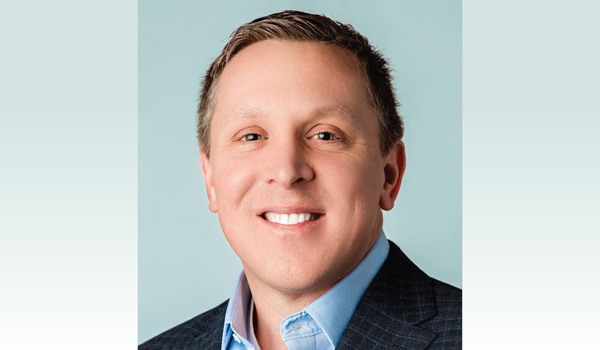 Mandacina to Lead Society in 2026
Society has a new president for 2026
Mandacina to Lead Society in 2026
Society has a new president for 2026 -
 Save the Dates for the Symposium in Phoenix!
Are you ready for what comes next in employee benefits? Join your industry colleagues—plan sponsors, advisors and service providers—in Phoenix for a high-impact education experience designed to inform, inspire and connect.
Save the Dates for the Symposium in Phoenix!
Are you ready for what comes next in employee benefits? Join your industry colleagues—plan sponsors, advisors and service providers—in Phoenix for a high-impact education experience designed to inform, inspire and connect. -
 The ROI of Workplace Coaching—Performance Up, Burnout Down
As companies navigate rapid change and risk shifting employee expectations, workplace coaching has emerged as a strategic tool for building resilience, engagement and leadership. The author looks at how organizations are recognizing that coaching can drive up not only growth but also organizational agility and innovation.
The ROI of Workplace Coaching—Performance Up, Burnout Down
As companies navigate rapid change and risk shifting employee expectations, workplace coaching has emerged as a strategic tool for building resilience, engagement and leadership. The author looks at how organizations are recognizing that coaching can drive up not only growth but also organizational agility and innovation. -
 Strategic Shifts: Communication for Meaningful Organizational Change
Transformation isn't about perfection and technicalities; it's about engaged people. The authors focus on ways organizations can effectively implement change management to activate employees and enable sustainable growth.
Strategic Shifts: Communication for Meaningful Organizational Change
Transformation isn't about perfection and technicalities; it's about engaged people. The authors focus on ways organizations can effectively implement change management to activate employees and enable sustainable growth. -
 The Importance of Strong Governance for Pension and Benefits Plans
Trustees play a vital role in the governance of pension and benefits plans, especially amid evolving risks and regulations. The authors examine ways trustees can support informed decision making, strengthen transparency, fulfill their fiduciary responsibilities and ensure the long-term sustainability of the plans.
The Importance of Strong Governance for Pension and Benefits Plans
Trustees play a vital role in the governance of pension and benefits plans, especially amid evolving risks and regulations. The authors examine ways trustees can support informed decision making, strengthen transparency, fulfill their fiduciary responsibilities and ensure the long-term sustainability of the plans. -
 Equipped to Help: Workplace Training on Suicide Prevention and Intervention
Workplaces can be a powerful setting for suicide prevention strategies since most people interact with work. One such strategy is gatekeeper training—otherwise known as community helper training—which teaches workers to identify and reach out to co-workers at risk for suicide and connect them to support services.
Equipped to Help: Workplace Training on Suicide Prevention and Intervention
Workplaces can be a powerful setting for suicide prevention strategies since most people interact with work. One such strategy is gatekeeper training—otherwise known as community helper training—which teaches workers to identify and reach out to co-workers at risk for suicide and connect them to support services. -
 Workplace Strategies to Address the Global Mental Health Crisis
Mental health affects everyone, and organizations can reduce stress, prevent burnout and boost engagement through targeted initiatives. The author outlines strategies that improve both business outcomes and employee well-being.
Workplace Strategies to Address the Global Mental Health Crisis
Mental health affects everyone, and organizations can reduce stress, prevent burnout and boost engagement through targeted initiatives. The author outlines strategies that improve both business outcomes and employee well-being. -
 The Evolution of QDIAs: Unlocking Better Retirement Security?
Qualified default investment alternatives (QDIAs) offered in defined contribution (DC) plans seek to ensure that participants who don’t actively manage their accounts earn better returns. Newer QDIA models that include lifetime income options may help boost retirement income security.
The Evolution of QDIAs: Unlocking Better Retirement Security?
Qualified default investment alternatives (QDIAs) offered in defined contribution (DC) plans seek to ensure that participants who don’t actively manage their accounts earn better returns. Newer QDIA models that include lifetime income options may help boost retirement income security. -
 Building a Smart Specialty Medication Strategy: Lowering Costs and Protecting Access
Specialty drug cost management offers a strategic test of how well benefit design, clinical strategy and financing models can adapt to 21st-century medicine. What steps should plan sponsors take to address the challenges of providing access to innovative treatments while managing financial risk?
Building a Smart Specialty Medication Strategy: Lowering Costs and Protecting Access
Specialty drug cost management offers a strategic test of how well benefit design, clinical strategy and financing models can adapt to 21st-century medicine. What steps should plan sponsors take to address the challenges of providing access to innovative treatments while managing financial risk? -
 Medical Stop Loss: Survey Results From Aegis Risk
2025 Aegis Risk Medical Stop-Loss Premium Survey measures the ongoing expense and coverage of medical stop-loss amongst employer-sponsored, self-funded health plans
Medical Stop Loss: Survey Results From Aegis Risk
2025 Aegis Risk Medical Stop-Loss Premium Survey measures the ongoing expense and coverage of medical stop-loss amongst employer-sponsored, self-funded health plans -
 New Governing Council Officers and Members
 Announced!
New Governing Council Officers and Members
New Governing Council Officers and Members Announced!
- 1 (current)
- 2
- 3
- 4
- 5